Young Jaime
A story for Leon

The boy who chose
the long road.

This is the story of Jaime Fermosell. A Spanish kid who loved a yellow ball, worked like no one was watching, and one day stood on the clay of Roland Garros at age twelve. Read it slowly. It was written for you.

↓ scroll

01
Chapter one

The First Love.

Before the trophies, before the cameras, before anyone clapped — there was just a kid and a ball.

Jaime was small. The racket was almost as tall as he was. He didn't know what ranking was. He didn't know what a Grand Slam was. He just knew that when the ball came at him and he hit it clean, something inside him lit up.

Leon — remember this. The greatest players in the world didn't start because they wanted to be famous. They started because they fell in love with the sound of the ball on the strings. Protect that sound. It's the whole engine.

"You don't have to be great to start. But you have to start to become great."
Value · Passion
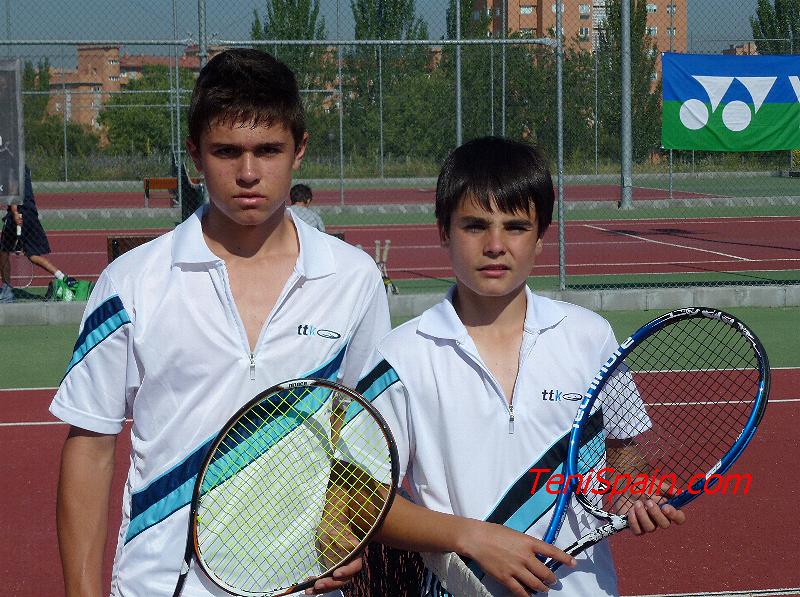
Jaime as a kid
Jaime young
02
Chapter two

The Quiet Work.

Nobody sees the early mornings. Nobody sees the cold courts in winter. Nobody sees the hour of serves after the coach has gone home. This is where champions are actually made — in the quiet, repetitive, unglamorous hours.

Jaime trained at the Universidad Europea in Madrid, side by side with the person who knew him best — his father and his coach, Fernando Fermosell. Every week. Every month. Every year. Not because he felt like it. Because they had both decided.

Leon, there is something sacred about training with someone who loves you and pushes you. A father-coach can't fake it. He sees every shortcut you try to take. He also sees every brave thing you do when you think nobody's watching. That double-lens is a gift. Don't waste it.

Jaime training
"Motivation gets you to the court. Discipline keeps you there when motivation is gone."

Leon, here is a secret: the days you don't feel like training are the most important days of all. Those are the days that separate you from the kids who quit.

Value · Discipline
03
Chapter three · June 2010

Paris. Age twelve.

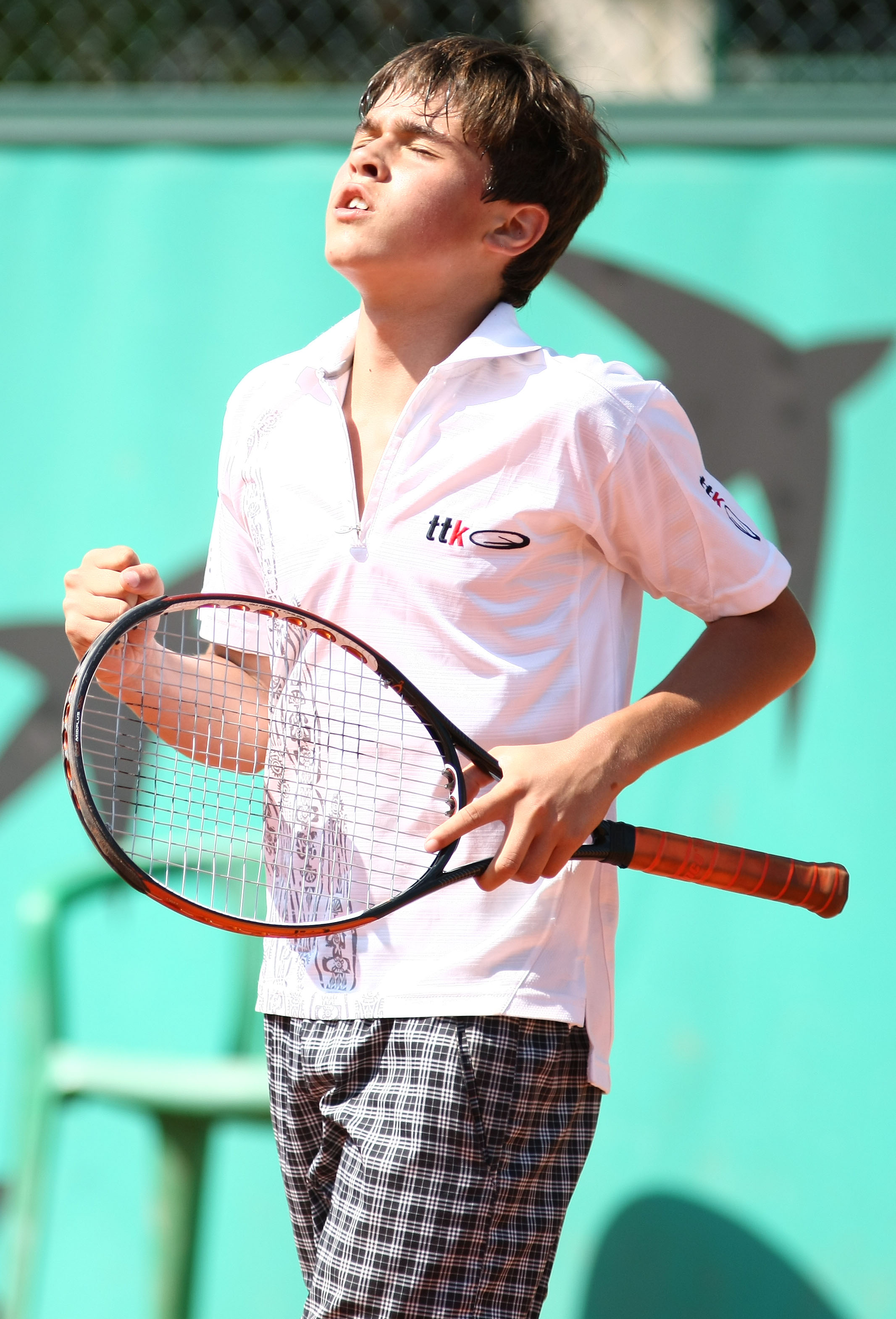
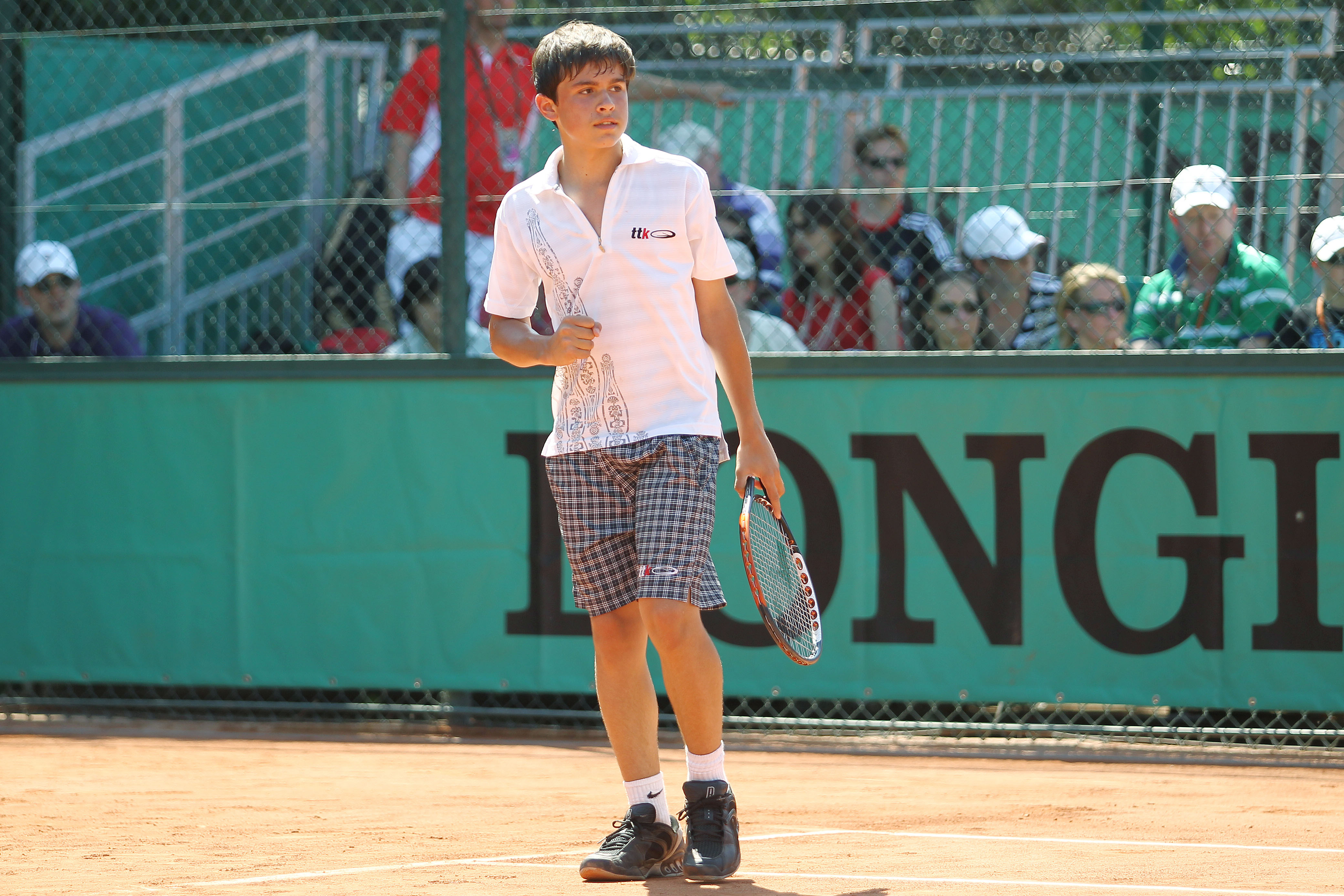
Jaime Fermosell — the exact moment of winning the Roland Garros Longines final, age 12
The exact moment · Roland Garros, June 2010 · Jaime, 12, wins the Longines Future Tennis Aces final.

Look at that face, Leon. Eyes closed. Fist clenched. That is what years of work look like condensed into one second. Every early morning, every cold court, every lost match, every serve after the coach went home — all of it sitting on his face in the second the ball landed in.

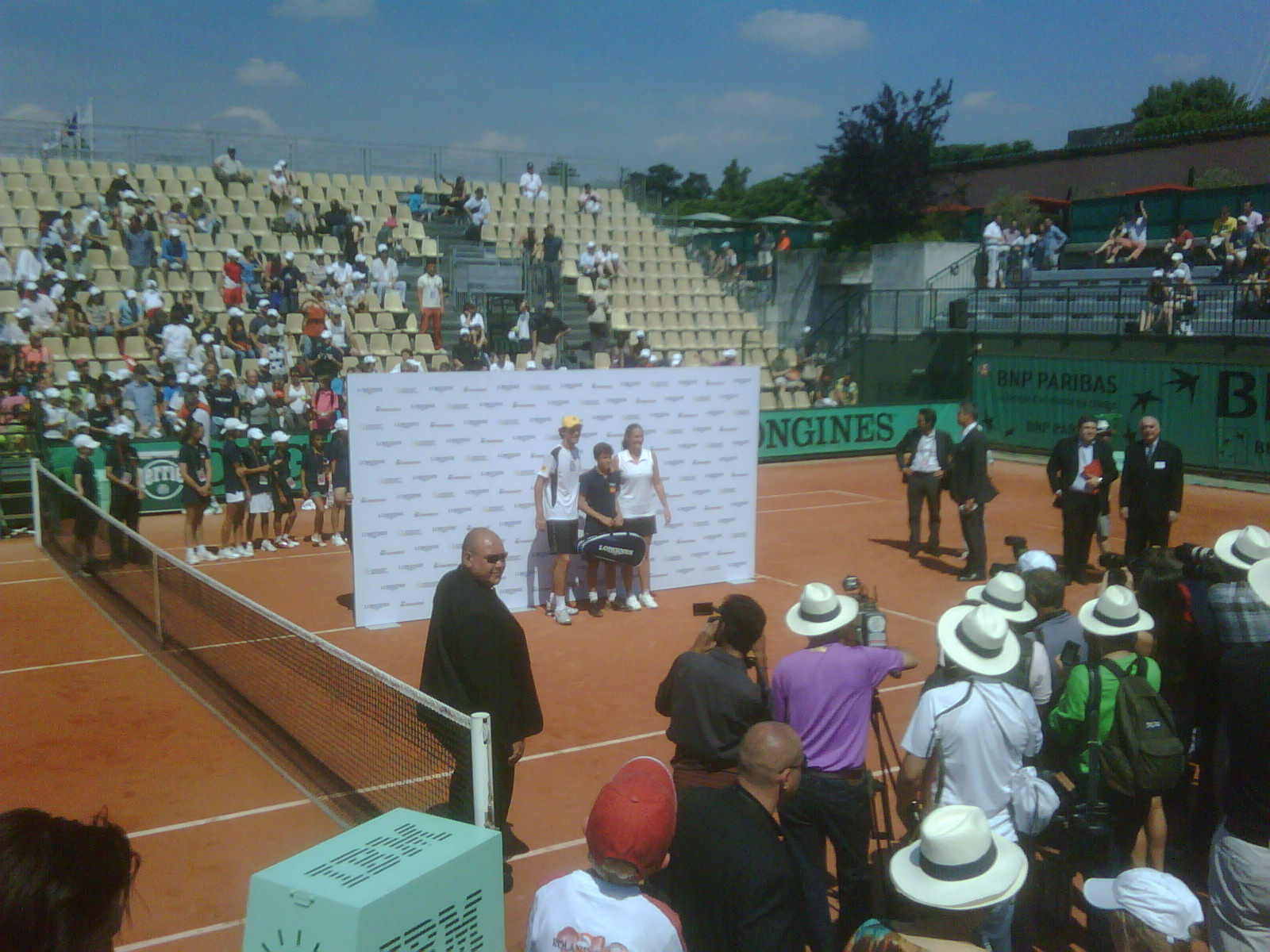
Roland Garros. The red clay. The cathedral of tennis. A 12-year-old Spanish kid walked onto that court, played a final against a French boy named Blancaneaux, lost the first set 2–4, won the second 4–0, and took the third in a tie-break, 7–4.

That day, Jaime Fermosell became the first Spaniard in history to win the Longines Future Tennis Aces.

Diario Marca · Sábado 5 Junio 2010
Fermosell se gana un partido con Kuerten.
Primer español en ganar el Longines.
"El nombre de Rafa Nadal no era el único que sonaba ayer en español en Roland Garros. Jaime Fermosell, con sólo 12 años, era el otro protagonista de la jornada."
▶ Longines Future Tennis Aces — Roland Garros 2010 · the official tournament video
▶ Eurosport report — Jaime Fermosell at Roland Garros 2010
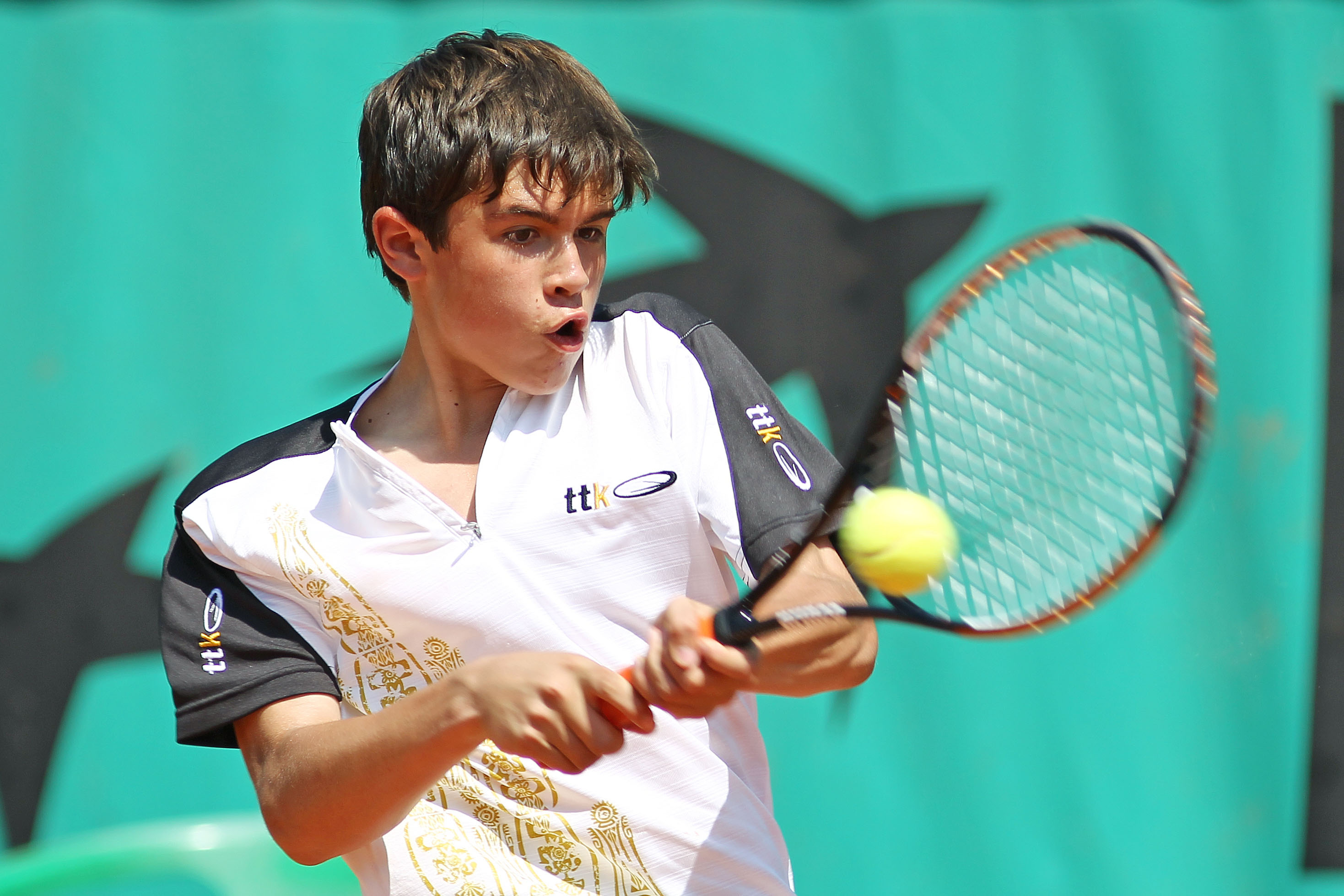
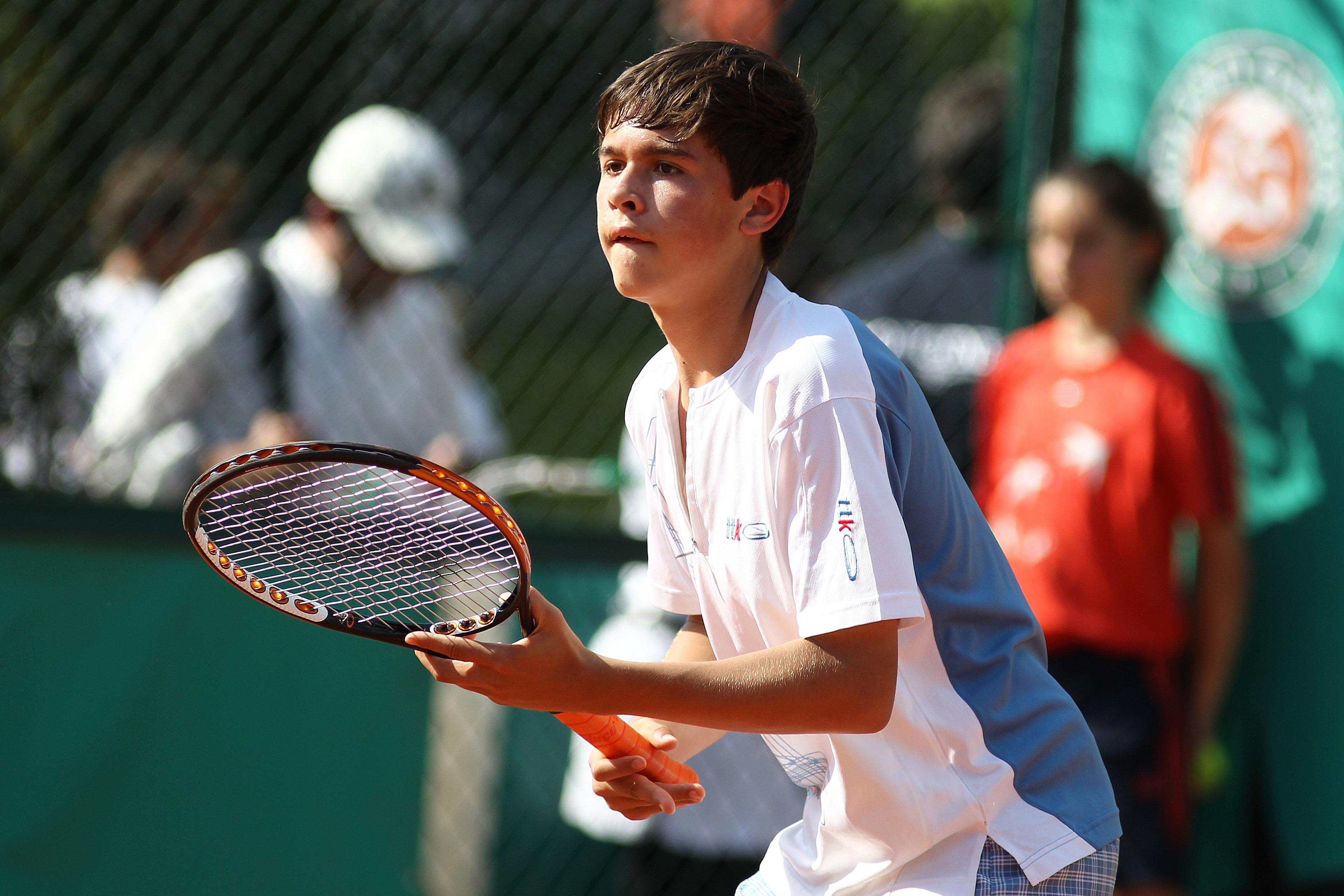
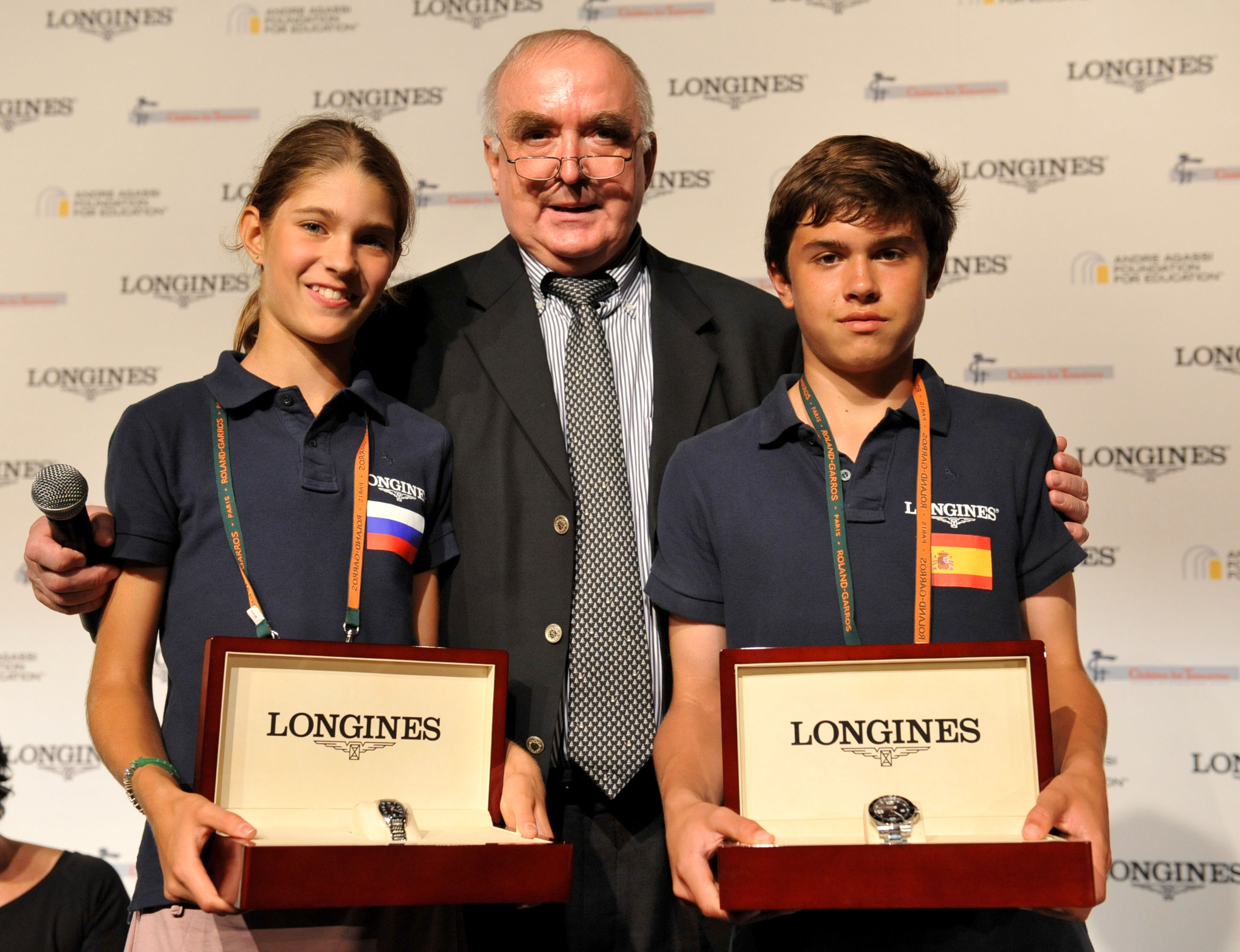
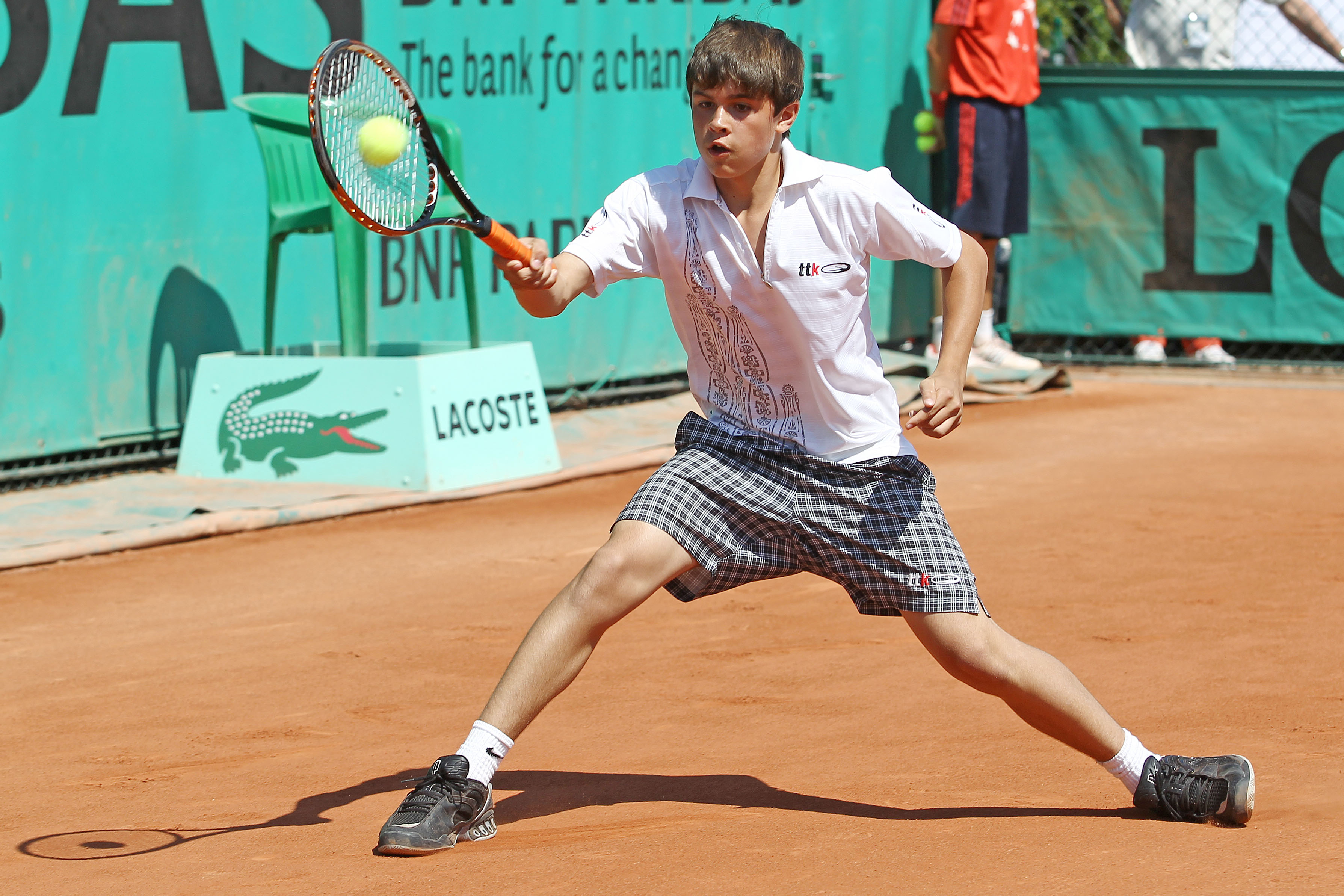
Jaime hitting a backhand on the Roland Garros clay, 2010 Jaime in ready position at Roland Garros 2010 RG 2010 RG 2010 RG 2010 Trophy ceremony on the Roland Garros show court
"The dream didn't come because he got lucky. It came because he was ready when the door opened."
Value · Focus on the dream
04
Chapter four

Standing next to giants.

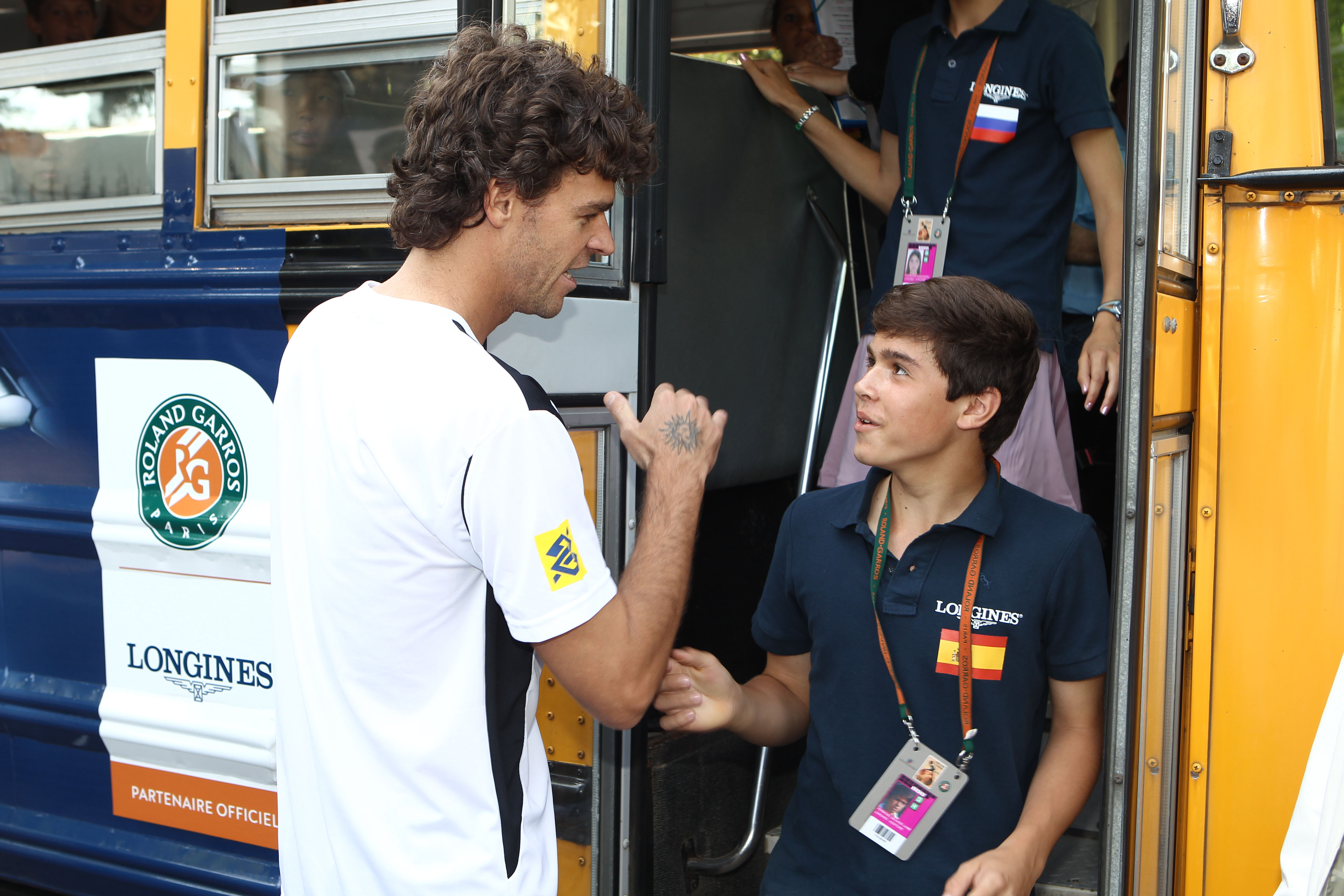
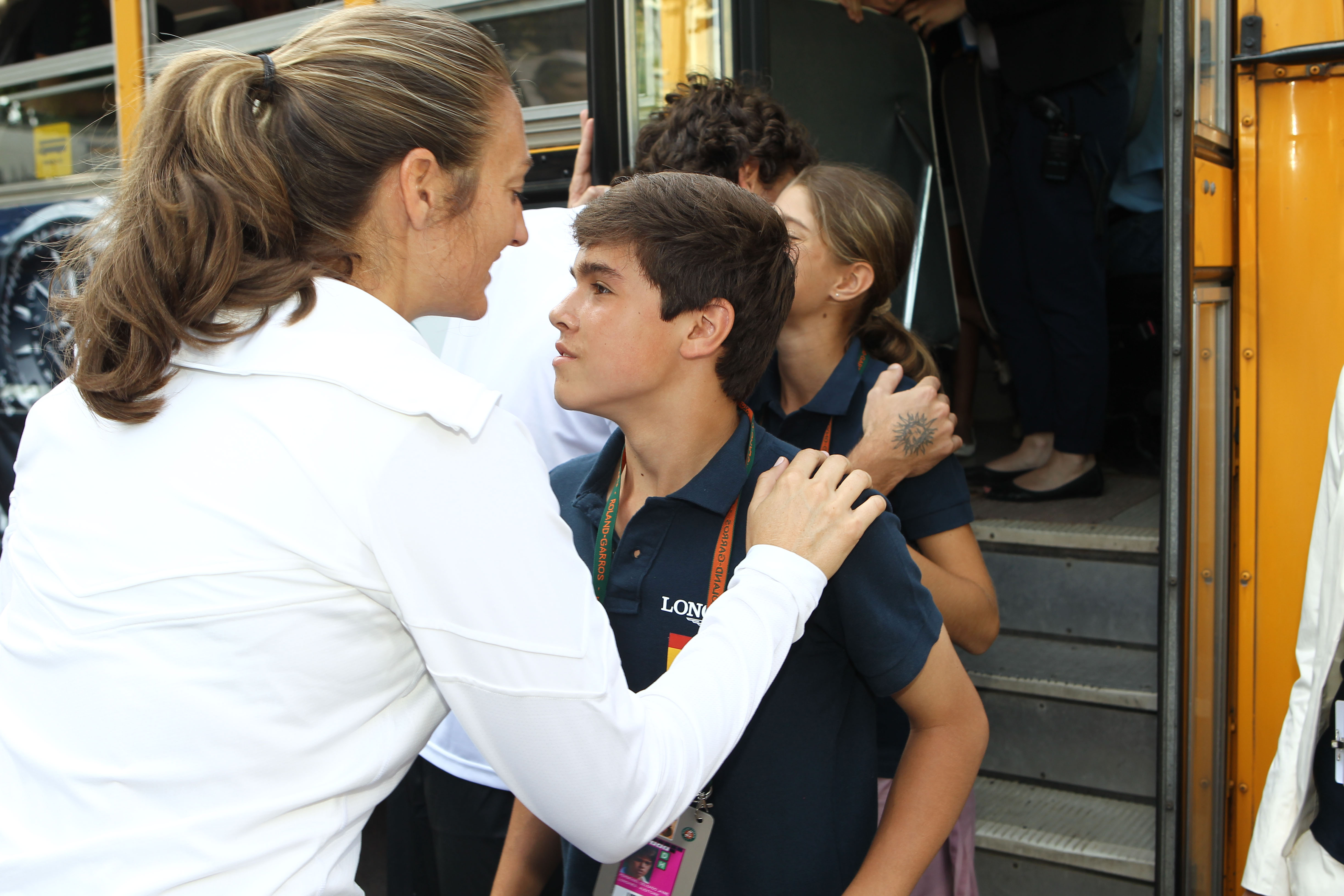
The morning after he won, Jaime stepped back onto the courts of Roland Garros — this time, across the net from Gustavo Kuerten, three-time Roland Garros champion, and the French legend Mary Pierce. Four Grand Slams of experience staring back at him.

A year earlier, the same court had been shared by Agassi and Graf. And now a 12-year-old kid from Madrid was there.

Jaime, 12, with Gustavo Kuerten at Roland Garros 2010

Jaime, 12, with Gustavo Kuerten — 3× Roland Garros champion

Jaime, 12, with Mary Pierce at Roland Garros 2010

…and with Mary Pierce — Grand Slam champion

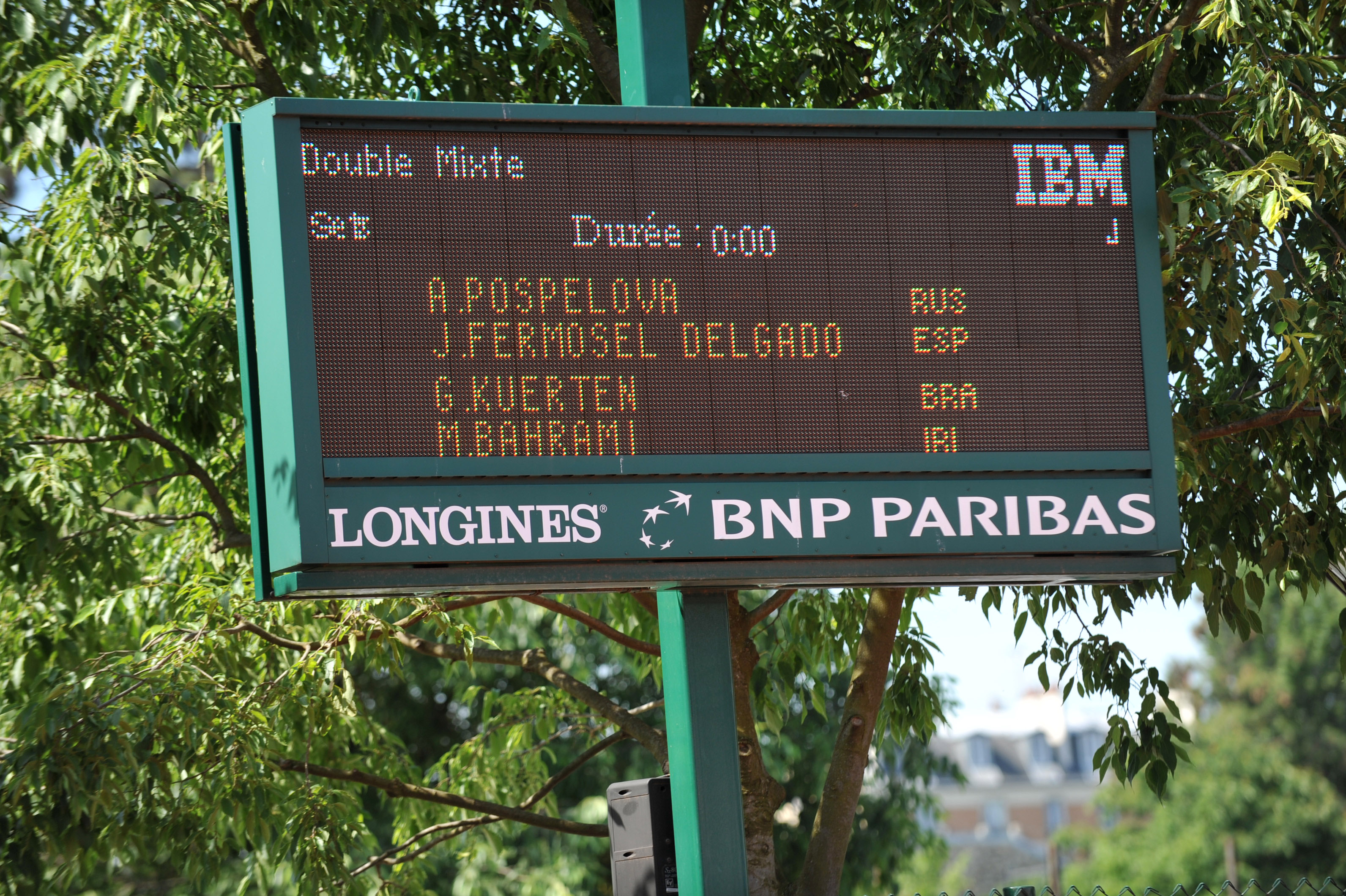
Roland Garros scoreboard: J. Fermosell Delgado vs G. Kuerten / M. Bahrami
The real scoreboard · J. Fermosell across the net from G. Kuerten & M. Bahrami

What did he do? He listened. He watched. He said thank you. He didn't pretend he belonged — he showed up eager to learn. That is humility. And humility is what lets you actually absorb what the giants know.

"The loudest students learn the least. Be small around giants — then the lessons come in."
Value · Humility
05
Chapter five · the trophy years

Champion. Again. And again.

Here's the hard part about success — the world moves on fast. The cameras leave. The newspaper from Paris is already in yesterday's trash. And now you're alone on another court, facing another opponent who also wants to win.

So what did Jaime do? He kept winning.

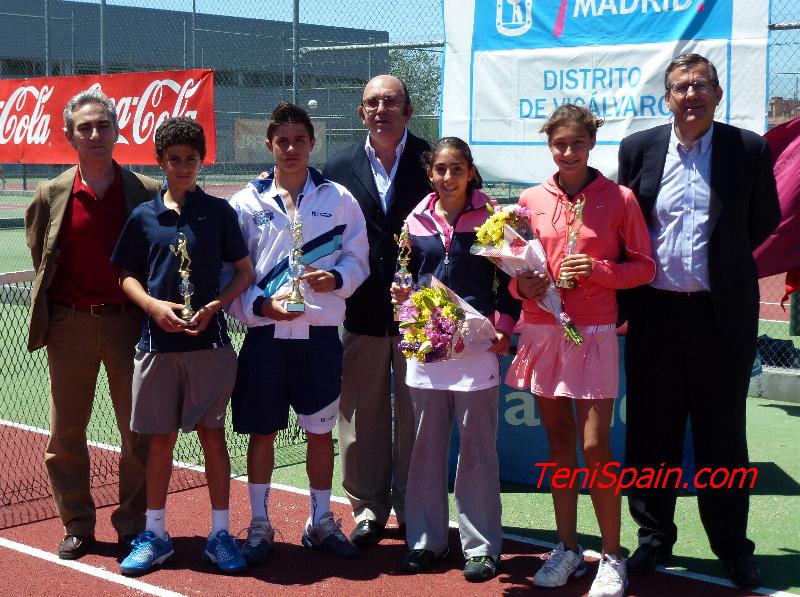
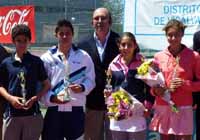
Madrid Champion 2011

2011 · Champion of Madrid, Infantil category

  • 🏆 Champion of Roland Garros
  • 🏆 Champion of Spain
  • 🏆 Champion of Europe
  • 🏆 Champion of Madrid

Four of the biggest titles a Spanish junior player can win. Leon — read that list again. One title is luck. Two is skill. Four is a system. Four is a boy who worked every day exactly the same way.

That is how careers are built — not by one great day, but by stringing great days together when nobody is filming. You come back. You work harder. You win the next one too.

"The trophy was the past. The next match is the only thing that matters."
Value · Hard, structured work
06
Chapter six · age fifteen

Fifteen — and a pro.

At fifteen years old, Jaime did something almost no Spanish player has ever done that young: he scored his first ATP point on the professional circuit.

Let that sink in. The list of Spanish players who earned a professional ATP point at fifteen is tiny. On it you'll find two names you already know:

Rafael Nadal
22× Grand Slam
Carlos Alcaraz
World #1
Jaime Fermosell
First ATP point · 15

Three Spanish kids. Three very different stories. But one shared line in the history books: pro point at fifteen.

Leon — the reason this matters is not the statistic. It's the why. You don't get on that list because you're lucky. You get there because, at fifteen, while everyone else is discovering phones and video games, you're on court at 7am, on court at 6pm, and in the gym in between. You get there because you went to train with the best — and you went to learn, not to prove.

"At fifteen, most kids are dreaming about being pros. A few are already becoming them."

Manacor · Rafa's house.

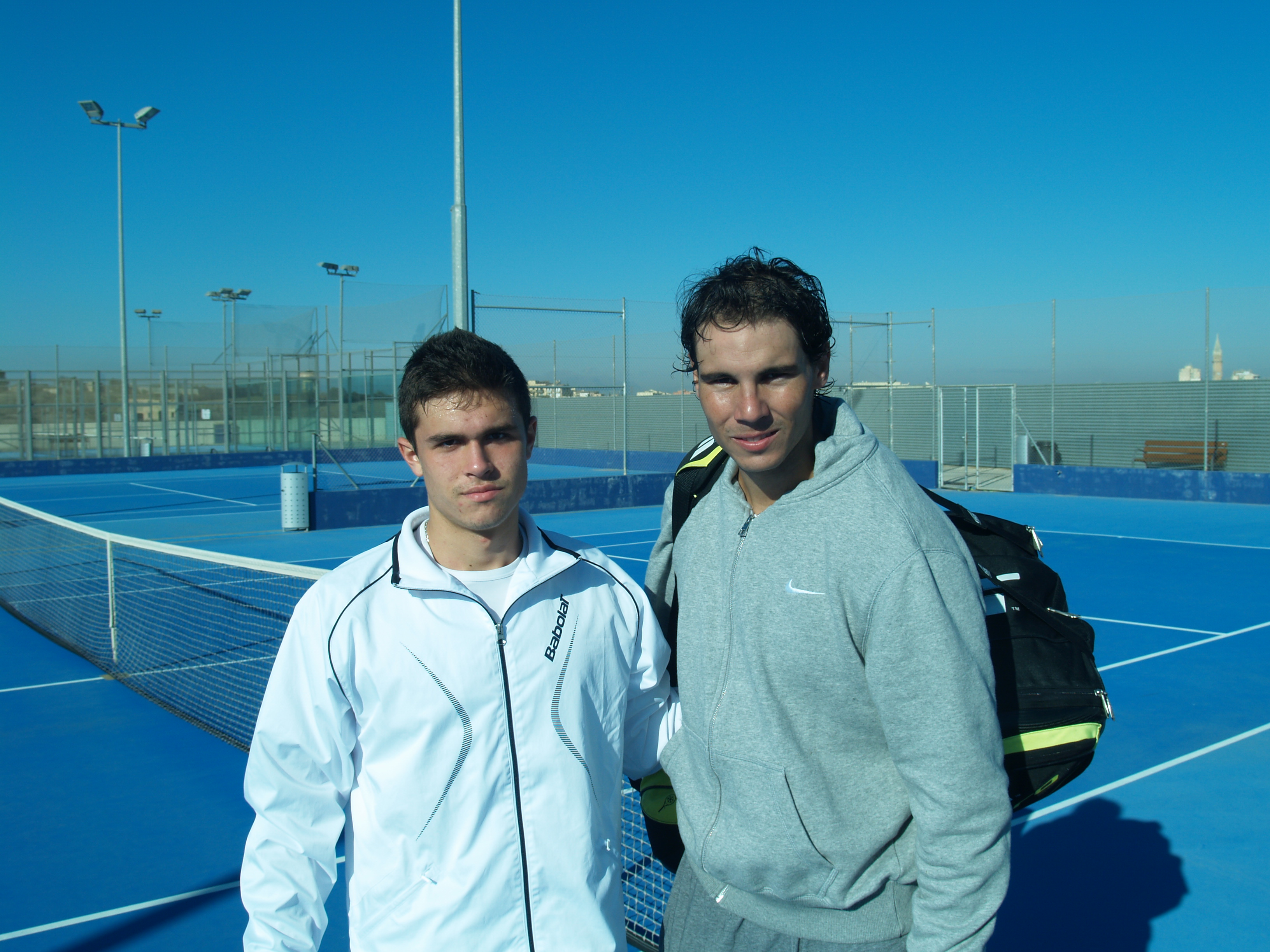
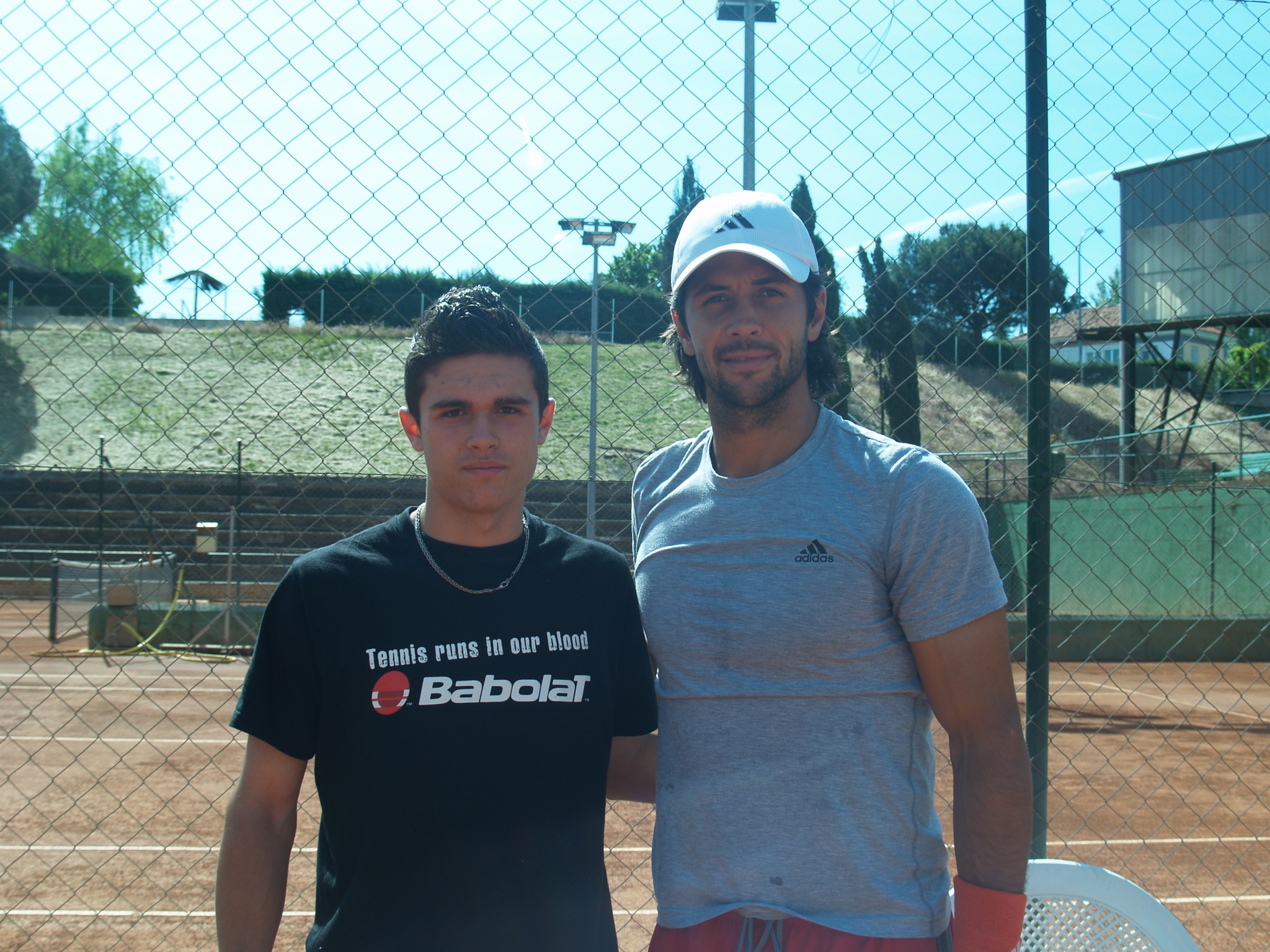
Part of what made that possible: Jaime traveled to Manacor, Mallorca — to Rafa Nadal's academy — and put himself on court with the best. He also trained alongside ATP top-10 player Fernando Verdasco at the CIT.

He didn't ask: "Am I good enough to be here?" He asked: "What can I learn while I'm here?"

Jaime Fermosell with Rafa Nadal at Rafa Nadal Academy, Manacor
Jaime and Rafa Nadal — Rafa Nadal Academy, Manacor
▶ Manacor · Rafa Nadal Academy — Jaime training with Rafa at that age

Look closely, Leon. Watch how quiet he is. Watch how he listens. That is what "learning mode" actually looks like on a court.

Training with Verdasco at CIT

Jaime training with ATP top-10 Fernando Verdasco · CIT

If you always play against kids your level, you will always stay at your level. Champions figure out how to get on court with people who are better than they are — even when it's scary, even when they get beat 6–0.

"Altitude training for the mind — surround yourself with people whose standard is higher than yours."
Value · Passion to learn
07
Chapter seven · Florida, November 2014

The Notebook.

Leon, this is the most important page of the whole story. Because I'm going to show you something Jaime actually wrote, with his own hand, after three weeks of training at ASC Florida.

He was 17 years old. By then he was already Champion of Roland Garros, Champion of Spain, Champion of Europe, and a professional player on the ATP circuit since fifteen. And yet — look at what he wrote down. Not just shots. Not just technique. He wrote down how to think.

Mental aspects to improve

  • Accept the reality. If things don't go as expected — stay calm. Positive. Cheerful.
  • When my opponent plays a great shot: respect it. Applaud it. Forget it. Play the next point.
  • Play point by point. The result doesn't matter. The only goal is to give 100% this point.
  • Forgive myself when I miss an easy shot. Everyone misses. Nobody is perfect.
  • When a point goes wrong — walk slowly to the towel. Take my time. Let it go.
  • Keep a positive attitude. Don't beat myself up. Pump my fist on good points — feed myself good messages.
— Jaime Fermosell, 12/02/2014

Read those lines again. Every single one of them is a skill you can practice tomorrow. Tennis is 50% strokes and 50% what happens in the four inches between your ears.

"Forgive yourself when you miss. Applaud your opponent when they're great. Play the next point like the last one never happened."
Value · Passion to improve
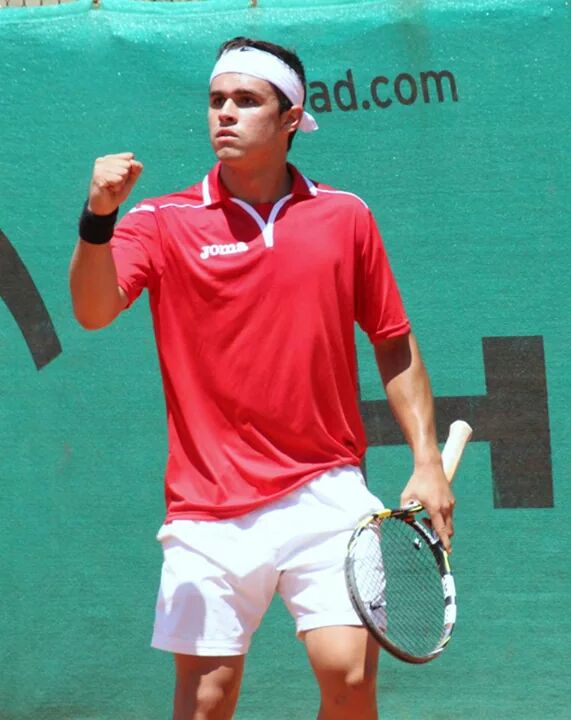
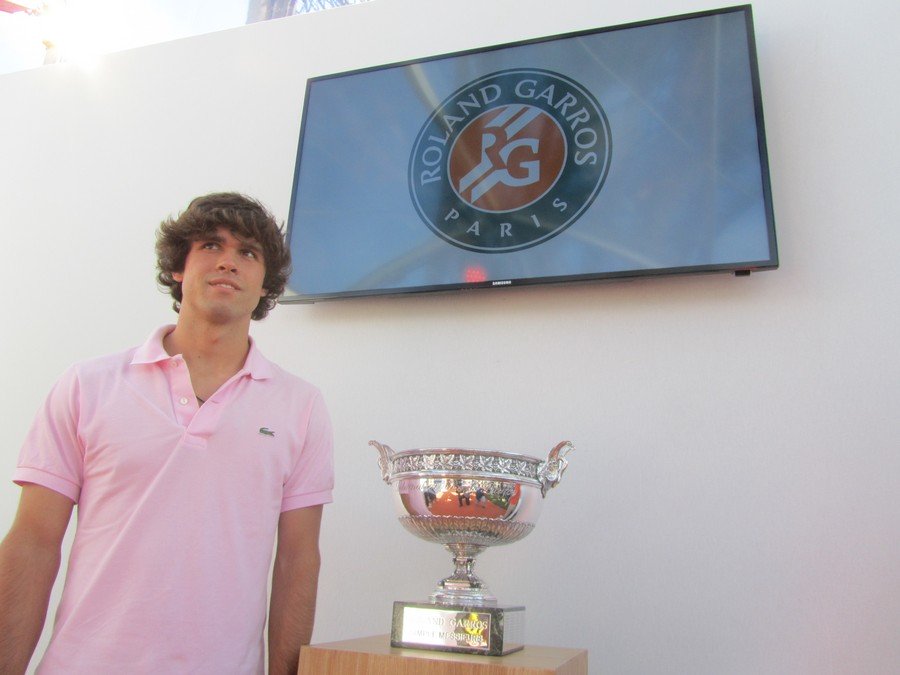
Jaime, grown up, next to the Roland Garros trophy
Years later — Jaime beside the Roland Garros trophy. The same dream that began with a racket too big for his arms.
The last page
LEON.

A letter, just for you.

You are thirteen. You have a racket in your hand and a dream in your chest. I want you to know something: everything you need is already inside you. The story you just read doesn't belong to a superhero. It belongs to a boy who made the same choice every morning for years.

He chose the court over the couch. He chose the extra hour of serves. He chose to listen to his coach instead of defend himself. He chose to write down what he learned in a notebook — in English, for a school in Florida — because he wanted to understand, not just win.

Padel isn't tennis, but the rules of becoming great are exactly the same. Here is what Jaime's story taught us. Put these six words on your wall:

Passion Discipline Humility Focus Hard work Love to learn

Passion — fall in love with the practice, not only the win.
Discipline — show up on the days you don't feel like it. Those are the championship days.
Humility — be the smallest person in the room when you train. Listen more than you talk.
Focus on the dream — know exactly where you're going, then stop worrying about when you'll arrive.
Hard, structured work — every session has a goal. Write it down. Check it off.
Love to learn — every loss is a lesson. Every win is a lesson. Keep your notebook with you.

You are starting. That is the luckiest place to be — because you still have all the time, all the growth, all the discoveries ahead of you. Don't be in a hurry to be great. Be in a hurry to get better today, and great will find you.

Go hit the ball, Leon. One point at a time.

— Written for you, from the story of Jaime Fermosell.
Madrid → Paris → Manacor → Florida → and now, your court.
Point by point.
Now watch it as a film

Ready for the cinema version?

Same story, cinematic format. Big text, Hans Zimmer soundtrack, full videos, pausable any time. Turn your phone horizontal and press play.

Watch the film
A second story · just for you, Leon

Three boys. One road.

Leon, here's a second story we made for you: Rafa Nadal, Jaime Fermosell and Carlos Alcaraz told side by side, age 3 to 17. So you can see the pattern with your own eyes.

Read the parallel story →
Tap Play music for the full experience. It auto-pauses during videos.